Automation and AI for local business
Automate the busywork.
What eats your week is mostly repeat work: data typed twice, follow-ups nobody sent, reports built by hand. I automate that, with AI where it earns its place, the way I do it on production systems.
A few clients at a time, within an hour of Portland.
Around here
What's actually happening up the 65 corridor
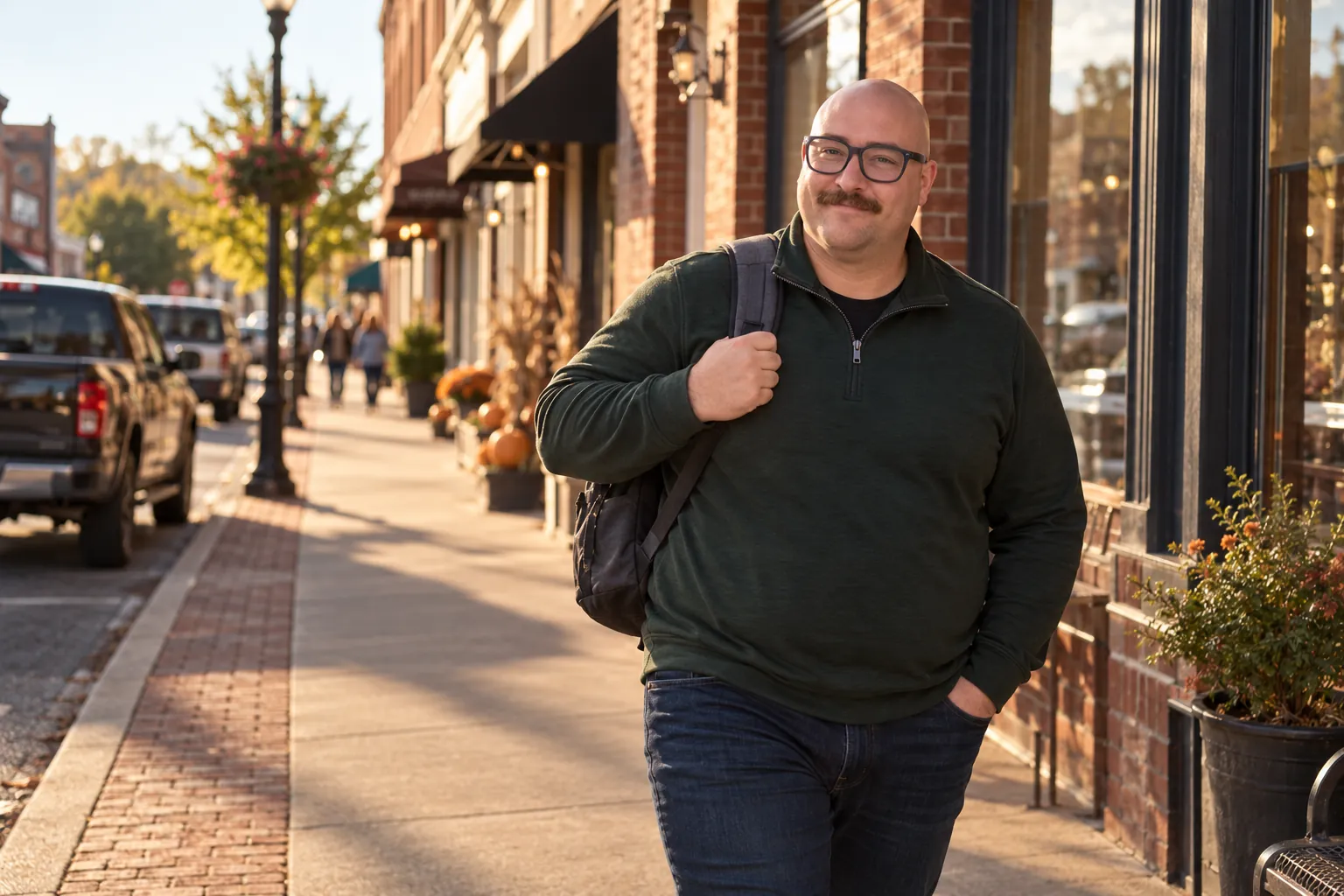
Gallatin and White House are outgrowing their roads, and Portland alone has 15 plants and distribution centers. The trades, suppliers, haulers and offices here keep it all running.
The hard part isn't demand, it's people. The owner quotes at night, the office manager chases invoices between calls, and the voicemail nobody returned is a job somebody else got.
The fix isn't a chat window somebody tried once. It's the Tuesday work automated and reported back.
- 19,249 People Sumner County added, 2020 to 2025 The Tennessean via AOL (opens another site)
- 3.0% Sumner County unemployment, 2025 average MTIDA, Gallatin data sheet 2026 (opens another site)
- 45% Of consumers now ask ChatGPT or similar for local recommendations (6% a year earlier) BrightLocal consumer survey 2026 (opens another site)
- 14% Of small businesses have AI fully built in; 73% want more training Goldman Sachs 10,000 Small Businesses (opens another site)
Pick yours
What this looks like for your kind of business
Pick the one closest to yours: a realistic week, what gets automated, what stays with a person, the usual first build.
- HVAC, plumbing, electrical
- Builders & contractors
- Manufacturers & suppliers
- Trucking & excavating
- Farms & ag
- Auto & truck repair
- Dental, medical, vet
- Insurance, CPA, law
- Restaurants & caterers
- Churches & nonprofits
HVAC, plumbing, electrical
First cold night in October, the furnace calls start, mostly after hours. Techs hate the tablet, quotes get written at the kitchen table, reviews sit unanswered.
What we automate
After-hours callbacks
Voicemails and web forms become a morning callback list: address, problem, suggested slot.
Quotes from the truck
The tech talks the job into their phone. A draft quote waits in the office.
Review replies
Each new review gets a drafted reply in your voice. You approve with a tap.
What stays with a person
The diagnosis, the price and the promise. A person signs what goes to the customer.
The usual first build
The morning callback list. Your office manager checks it against the phone log; two clean weeks earns the next lane.
Builders & contractors
Houses are going up around Gallatin and White House and you're bidding against Nashville outfits. Plans arrive as PDFs, subs text you, and the daily log lives in your head.
What we automate
Bid prep
It reads the plans and drafts the scope, a takeoff checklist and the questions to ask. You price it.
Daily logs from a voice note
The foreman talks for two minutes at day's end. It becomes a dated log you can find a year later.
Change orders and sub scheduling
Change orders drafted from your notes, and a sub schedule that updates when a date moves.
What stays with a person
The bid number, the handshake with the sub, and anything that goes to the homeowner or inspector.
The usual first build
The daily log. It's the thing nobody does, and in a month you'll have records you've never had.
Manufacturers & suppliers
You make parts for the plants along 65, Portland's stamping outfits to the Corvette suppliers in Bowling Green. RFQs arrive by email with drawings, and every job needs a paper trail.
What we automate
RFQ triage
Each RFQ lands in one place with drawing, quantity, due date and your questions. You decide what to quote.
Quality paperwork
Certs, first-article reports and shipping documents drafted from the job record. Your QC lead checks and signs.
Shift handoff and maintenance logs
Floor notes become a clean handoff and a maintenance history per machine.
What stays with a person
Pricing, delivery promises and every signature. It fills the forms; your people stand behind them.
The usual first build
RFQ triage. Your estimator reads the summary before anything goes back to the customer, and clean checks earn it more room.
Trucking & excavating
Dispatch happens on your phone. Tickets come back as photos. Driver files, fuel receipts and invoicing wait until Friday night, when you find out a ticket is missing.
What we automate
Tickets to invoices
Ticket photos get read, matched to the job and drafted into invoices. Missing tickets flagged Wednesday, not Friday.
Driver and DOT files
Expiring medical cards, inspections and licenses show up on a list with the reminder drafted.
Dispatch notes
A morning sheet from last night's texts and calls. Your dispatcher corrects it instead of building it.
What stays with a person
Who gets which job, what you charge, and every conversation with a driver about safety or hours.
The usual first build
Ticket matching. It drafts the invoices, you compare them against your own, and two clean weeks earns it the routine ones.
Farms & ag
Sumner County has 1,248 farms and 97% are family farms. Cattle, tobacco, hay, a strawberry patch off Highway 52. The paperwork competes with daylight.
What we automate
Program and cost-share paperwork
Applications and reports drafted from your records and last year's filing. You check the numbers and sign.
Sales and orders
Farm-stand and direct orders from texts, Facebook and email, pulled into one list with what's owed.
Equipment and herd records
A voice note after chores becomes a dated record: what broke, what got fixed, what got treated.
What stays with a person
Every decision about the land, the animals and the money. It keeps records. It doesn't farm.
The usual first build
The records. A month of voice notes turned into logs, nothing sent anywhere, and you have a searchable history of the place.
Auto & truck repair
The phone rings while you're under a car. The customer wants a text before lunch, and the review calling you honest sits next to one calling you slow.
What we automate
Estimates from inspection notes
The tech's notes and photos become a drafted estimate, parts and labor, for the service writer to check.
Customer updates
Status texts drafted at the right moments: car's in, parts ordered, ready. A person approves each one.
Review replies
Every review, good or bad, gets a drafted reply that mentions the actual job. You approve or rewrite.
What stays with a person
What's wrong with the car, what it costs, and whether to tell a customer their brakes can wait.
The usual first build
Review replies. Every one drafted, approved with a tap, and you'll know fast whether it sounds like you.
Dental, medical, vet
Hendersonville's hospital is on its third expansion in four years and the practices along Vietnam Veterans Boulevard are busy. Your front desk juggles reminders, pre-authorizations and the recall list. Patient data has rules.
What we automate
Pre-authorization and claims drafts
Forms and letters drafted from chart notes, inside your practice system or a vendor with the paperwork signed. Billing reviews every one.
Recall and reminder lists
Who's due, who hasn't booked, who no-showed, with messages drafted. Staff approve the batch.
After-visit instructions
Plain-language instructions drafted from the provider's notes, checked by the provider.
What stays with a person
Diagnosis, treatment, and anything a patient hears about their health. The AI's login sees only what the job needs.
The usual first build
The recall list, with the data rules written down before anything connects. That's what lets it go live fast and stay inside them.
Insurance, CPA, law
Tax season, renewal season, closing season. Clients send documents in pieces, and half the day is asking for the other half. Engagement letters go out late.
What we automate
Document chasing
Automation tracks what each client has sent against what's needed and drafts the polite follow-up. Your admin sends it.
Intake summaries
A new client's emails, forms and call notes become a one-page summary before the first meeting.
Routine letters and bookkeeping prep
Engagement letters, renewal notices and transaction categorization drafted for review. The signer still reads.
What stays with a person
The advice. Anything with your license on it is read by the professional whose license it is.
The usual first build
Document chasing, set up before the next season starts. It drafts every follow-up; your admin decides which to send.
Restaurants & caterers
The catering inquiry lands through Facebook at 10 PM while you're closing the kitchen. It needs a headcount, a menu and a date. Weekend reviews wait until Tuesday.
What we automate
Catering quotes
Inquiries from every channel become a drafted quote from your menu and pricing. You adjust and send.
Ordering and schedules
Draft orders from what sold, and a draft schedule from who's available. The manager fixes the rest.
Review and message replies
Weekend reviews and messages get drafted replies by Monday morning, each mentioning what the guest actually said.
What stays with a person
The menu, the prices, the hiring and the taste. Nothing promises a date or a dish without a person confirming.
The usual first build
Catering quotes, from the next inquiry. It drafts while you quote your way, and once its drafts match yours you stop starting from scratch.
Churches & nonprofits
One paid administrator, a lot of volunteers, and a pastor or director who does everything else. Bulletin, newsletter, donor thank-yous, grant report and minutes all land on one desk in one week.
What we automate
Minutes and newsletters
The board meeting recording becomes drafted minutes. Last month's events become a drafted newsletter. A person edits and sends.
Donor and volunteer follow-up
Thank-you letters and volunteer schedules drafted from your records, year-end statements ready for review.
Grant reports
Reports drafted from the numbers you track and the language of your original application. The director reads every line.
What stays with a person
Anything pastoral or personal. A note to a grieving family or a struggling member is written by a person, every time.
The usual first build
Meeting minutes, from the next board meeting. It's the chore nobody wants, a person edits before anything is shared, and the board will notice.
How it goes
Four steps. Each one earns the next.
It starts with a session on your own work: you see results that day, I see where the week breaks down.
-
Start here
Learn
Hands-on, for you or your crew: your first assistant or automation is live before I leave.
- Your own accounts, not mine
- Hand off, check, never paste customer data
- Allowed tools and data rules, on one page
- Time
- Two to four hours
-
Audit
I walk the work front to back with your people and find the real constraint, not the loudest annoyance.
- A half day on site
- A written plan, ranked by payoff
- First build scoped to one number, or an honest no
- Time
- About a week
-
Build
One focused build that moves that number, with no AI in it when a plain workflow is cheaper and safer.
- Its own login, least access, your accounts
- Drafts first, more room in writing as checks come back clean
- You own the accounts and the off switch
- Time
- Two to six weeks
-
Keep it running
Each month I read what ran, fix drift, vet the next tool and pick the next build: your part-time AI lead.
- A monthly review of every automation
- Tools vetted before they touch your data
- A call when it does something weird
- Time
- A few hours a month
Every build moves one of three numbers
Before anything gets built we write down which number it moves, where it is today and where it should be in 60 days. If we can't, it isn't a project yet.
More customers
Missed calls returned by morning, quotes followed up, web forms answered fast.
More from each customer
Repeat orders prompted, renewals reminded, the maintenance plan offered on time.
Lower costs
Hours of typing gone, tickets matched to invoices, the same question answered once.
Step 3
Four kinds of build
Scoped in the audit, each tied to one number. I'll tell you if you don't need it.
-
More customers
Follow-ups and reminders
Voicemails, web forms, quotes and recall lists become drafted messages your people send.
- A morning callback list from last night's calls
- Quotes followed up until someone answers
- Who's due or hasn't rebooked, message drafted
More on this: Follow-ups and reminders
-
Lower costs
Hand off the busywork
Data entry, handoffs, invoices and reports automated, with a person approving what matters.
- One chore, picked on purpose
- Runs on tools you already pay for
- A plain-words log of everything it did
More on this: Hand off the busywork
-
Lower costs
A company brain
Your procedures, pricing rules and tribal knowledge, written so AI and new hires read them reliably.
- One page per task, clear titles and dates
- An assistant that answers from your documents, citing them
- A habit for keeping it current
More on this: A company brain
-
Lower costs
IT basics you can prove
Backups you've actually restored, patching with evidence, monitoring that reaches the right person.
- A timed restore test
- Scheduled patching, with proof per machine
- Alerts that reach a person who can act
More on this: IT basics you can prove
Trust, in stages
AI earns trust the way a new hire does
Nobody hands a new hire the keys on day one. Every automation I build climbs these four stages. It's why leadership at work approved my first AI agent on infrastructure in about 90 seconds.
Who this is for, and who it isn't
A good fit
- You own or run the place
- Two or more people doing the same paperwork
- You want hours back, and you'll measure them
- You're within an hour of Portland, or fine with video
Not a fit
- You want an app built. I'll point you to a developer.
- You want AI talking to customers unchecked
- You're shopping for the cheapest subscription
- You want it switched on before anyone writes down what it can touch
Bright lines
What I won't do
Nothing goes out in your name without your OK
Not an email, not a quote, not a review reply. The AI drafts. A person sends.
No sharing your logins with an AI
Its own account, least access, and an off switch that isn't your password.
No subscriptions you don't need
Most of it runs on tools you already pay for. No vendor pays me.
No custom software
I'm an operator, not a developer. If you need an app, I'll say so.
No promises I can't show you
No return-on-investment numbers until I've seen the work. We measure hours before and after.
Your data stays yours
In your accounts, under your control. Walk away with everything, documentation included.
Rough math
What the repeat work costs you in a year
Quotes, invoices, scheduling, the same question for the tenth time. Put in your numbers.
Be honest. Most offices land between 5 and 15.
Wage plus taxes and benefits, or your own hour's worth.
At your rate, $27,000 a year on work that repeats.
That's about 900 hours a year.
Half of it back would be worth $13,500.
Rough math: 50 working weeks, nothing else. A way to think, not a promise.
Questions
What owners ask me
Do I need to be good with computers?
No. If you can forward an email and tell me how work flows through your shop, that's enough. I set it up and show your people the few habits that matter.
Will this replace my people?
No. The point is getting your good people out of repeat work and onto the work customers pay for. In NFIB's 2025 survey, 98% of small employers using AI said headcount didn't change.
Is my data safe? Where does it go?
In accounts you own, never mine. I check where every vendor sends data and how long it keeps it before anything connects. Health and financial records get their rules first.
Is all of this AI?
No. Most of it is plain automation on what you already pay for: Microsoft 365 or Google Workspace, QuickBooks, your phone system, n8n in between. AI such as Claude does the reading and writing. A person checks it.
How long does it take?
The session is a few hours and the audit about a week. A build drafts for you as soon as it's live and earns more room as the checks come back clean. Evidence sets the pace, not a calendar.
What does it cost?
What the work is worth to your business sets the price, and we talk that through before anything starts. Every build has a number it's meant to move, written down after the audit, and the price is sized to it.
Do you work outside the area?
I work between Bowling Green and Hendersonville because I want to show up in person. Remote when it's a good fit.
What happens when it makes a mistake?
It will, and we plan for it. A person checks its work first, it never acts on anything it can't undo, and the controls catch what slips. I've pulled an agent's permissions for cause, and I'll tell you that story.
You have a day job. Will you be around?
Yes, and it's where I put AI to work on a production platform, so you get current practice, not a course I took. You get the same person start to finish, and I answer my own email.